Learn the facts
Learn about suicide, including risk factors and warning signs, statistics and treatment, and how to report about it responsibly.
Risk factors, protective factors, and warning signs
While there is no single cause for suicide, there are signs which may increase likelihood of an attempt. Learning them can save lives.
Learn more


Mental health conditions and suicide
While the presence of a mental health condition may contribute to increased suicide risk, it is important to note that the majority of people who live with mental health conditions will not die by suicide.
Learn more
Suicide prevention interventions and treatments
There are many helpful approaches for individuals and their loved ones, when someone is in distress or at risk for suicidal behavior. Interventions and treatments have been developed in recent years for individuals who are experiencing suicidal ideation or who have made suicide attempts.
Learn moreLearn the latest statistics on suicide
Learn more
Teens and suicide: What parents should know
As a parent, you can approach suicide prevention in the same way you do other safety or health issues for your children. By educating yourself, you can learn what puts kids at greatest risk for suicide – and what protects them most strongly.
Learn more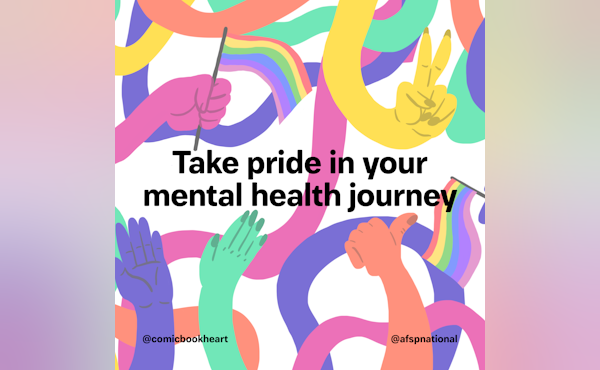
LGBTQ mental health and suicide prevention
AFSP is dedicated to preventing suicide among lesbian, gay, bisexual, transgender and queer (LGBTQ) people. As a public health organization, AFSP believes that it is our individual and collective responsibility to support the mental health and wellbeing of LGBTQ people.
Learn more
Reporting on suicide prevention
The latest statistics on suicide, and guidance for journalists on how to report safely and accurately about suicide.
Learn more